
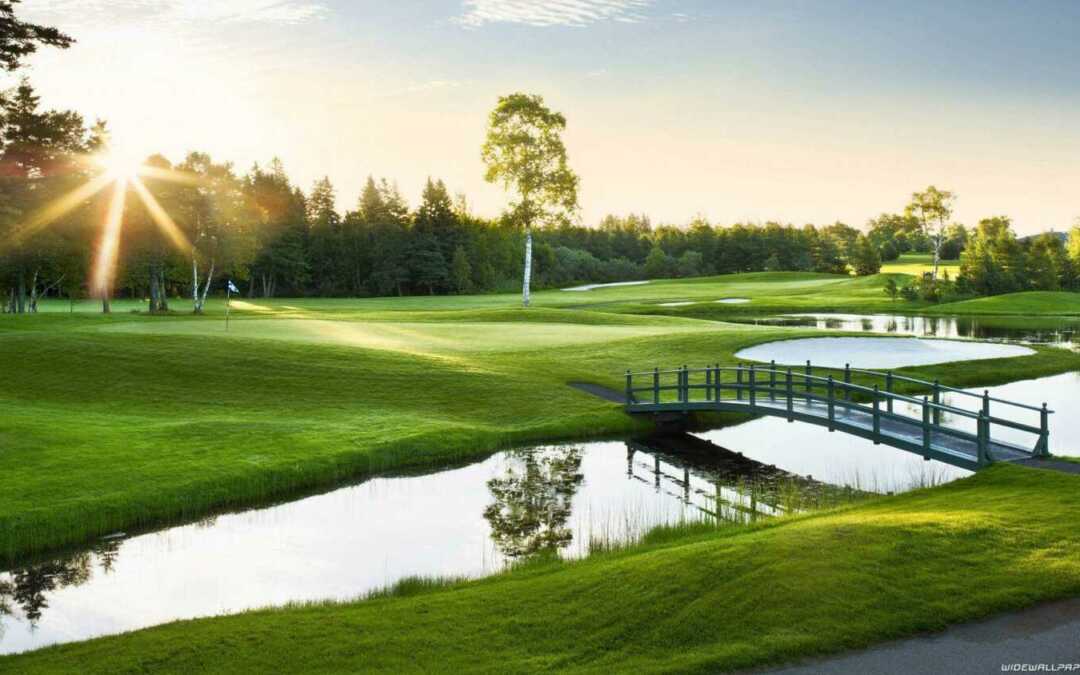
Golf is a very broad concept that goes far beyond the professional sport and amateur play. For many it has become a lifestyle, the reason for a trip or a major sporting event to enjoy live.
This means there are different types of golf customers who need value propositions adapted to their needs and to the way they understand the game. Those propositions, or the way we segment the offer, deserve a more detailed analysis and a dedicated post. But beyond these many facets, which will lead us to create different products, golf has certain particularities we need to bear in mind, because they influence how it is sold:

- A perishable product: we cannot store the tee times we don’t sell, so an unsold green fee is a lost green fee.
- High fixed costs and low variable costs: course maintenance and staff take up a large share of the budget, whatever the occupancy. Combined with the previous point, it is important to optimise daily sales to mitigate those costs. Revenue management can help us here: a practice deeply rooted in accommodation and other tourism businesses that, fortunately, is gaining ground in golf.
- The course is a living thing, affected by the weather, in need of maintenance, prone to disease, and so on. Storm closures, green repairs, damage by wild boar, low occupancy due to high temperatures or frost: these are just a sample of situations we all know, and they affect sales. Some we can anticipate in our sales plan, but others happen unpredictably and force us to react quickly to turn the situation around.
- Terrain: in line with the above, every course is unique and its design depends on the land it sits on. If we are selling a hilly course, it is best to include the buggy in our rate, whereas on a flat course it won’t be necessary. This will affect the price structure, since we have to pass on costs (fixed and variable).
- Dependence on other players: golf may be the motivation for travelling, but the customer’s decision can be influenced, one way or another, by aspects such as the destination’s complementary offer, infrastructure and even the political situation. All these factors will shape our sales strategy. To give a few examples:
- Air connections will limit the markets (at least the priority ones) we can target, since customers will usually travel to the places best connected with where they come from.
- The complementary offer in the area will force us to design a product that meets our customers’ needs. For example, if there are plenty of leisure and dining options nearby, simple services will be enough, but if we are talking about isolated destinations or ones with little going on in the low season (which is golf’s high season), we will have to highlight that we provide golfers with everything they need during their stay.
- Distance between customer and product: most of the time the customer buys blind, guided by their agent’s recommendation and by the information they find online (website, reviews, social media). So commercial relationships with operators and partners, and the marketing strategy, will be our allies in winning sales.
- Seasonality: more pronounced in some cases than in others, but we will always need to design a price structure that lets us optimise occupancy and revenue in high season and stimulate demand in low season. Depending on the type of club, demand may fluctuate by month of the year or by day of the week.
- Type of customer: as we said, a club can host different types of player. We can segment in several ways: relationship with the club, origin, motivation for travelling, how they travel, how they book, etc.
 As a general rule, different types of customer will coexist in a club. Our sales strategy will need to include plans for each of them, as well as a way of making sure they don’t exclude each other. To give a few examples:
- The green fee sales target vs the season ticket or membership sales target. If we have a very high visitor green fee target, we will need to make sure the season ticket and/or membership target is not too high, so that we can guarantee tee times for everyone, and vice versa.
- The price structure must maintain parity between public rates and agency net rates.
- Clubs with an events line will have to make sure both activities can take place. For example, we may sometimes have to limit the number of afternoon tee times or close the restaurant to golfers earlier if we have an evening event.
As we can see, it is important to understand these particularities of golf in order to work on a coherent sales plan that gets the best commercial return from our product, avoids having to correct course as far as possible and, if we do have to, gives us the tools to act.
At Real Golf Studio we are fully focused on golf sales: we plan, execute and analyse. If you think your club’s sales need to perform better, don’t hesitate to contact us.
Want to sell more golf?
We plan, execute and analyse your club’s sales.